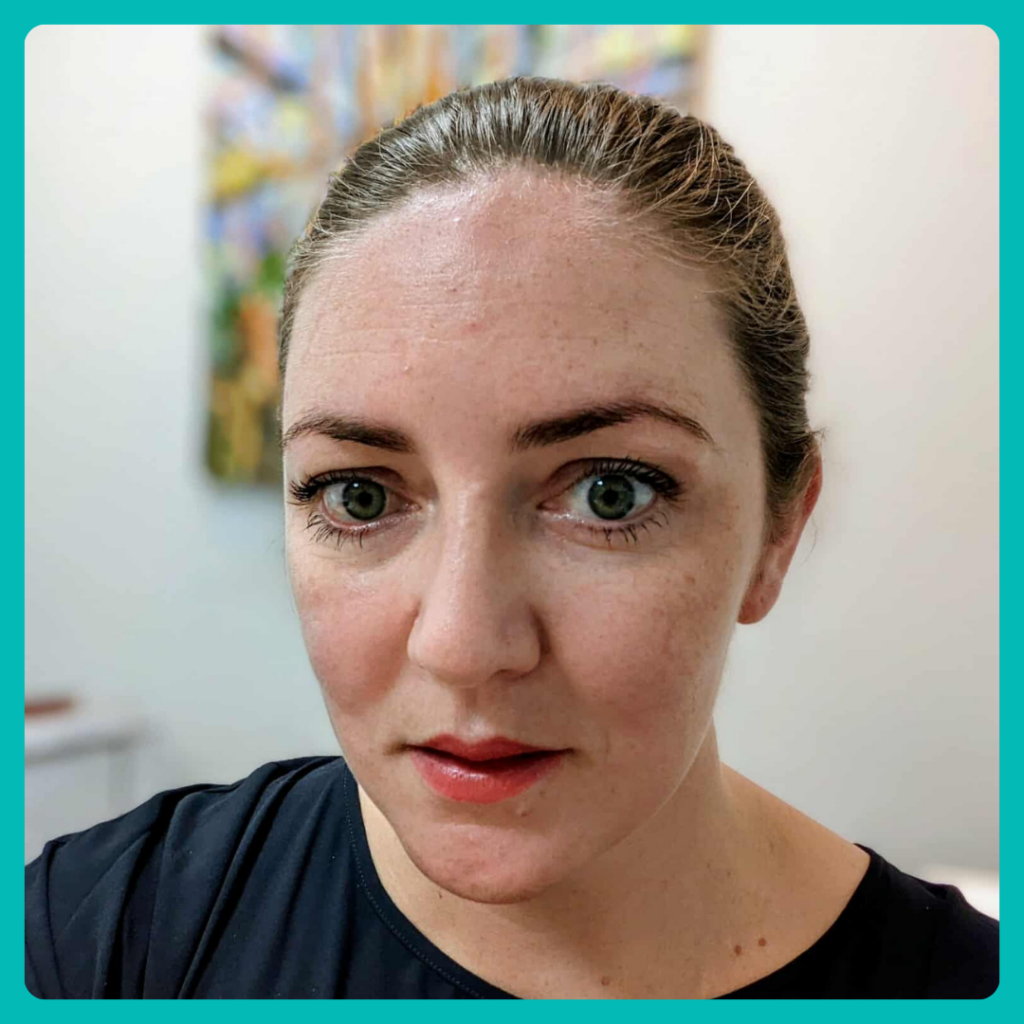
Lauren Chapman
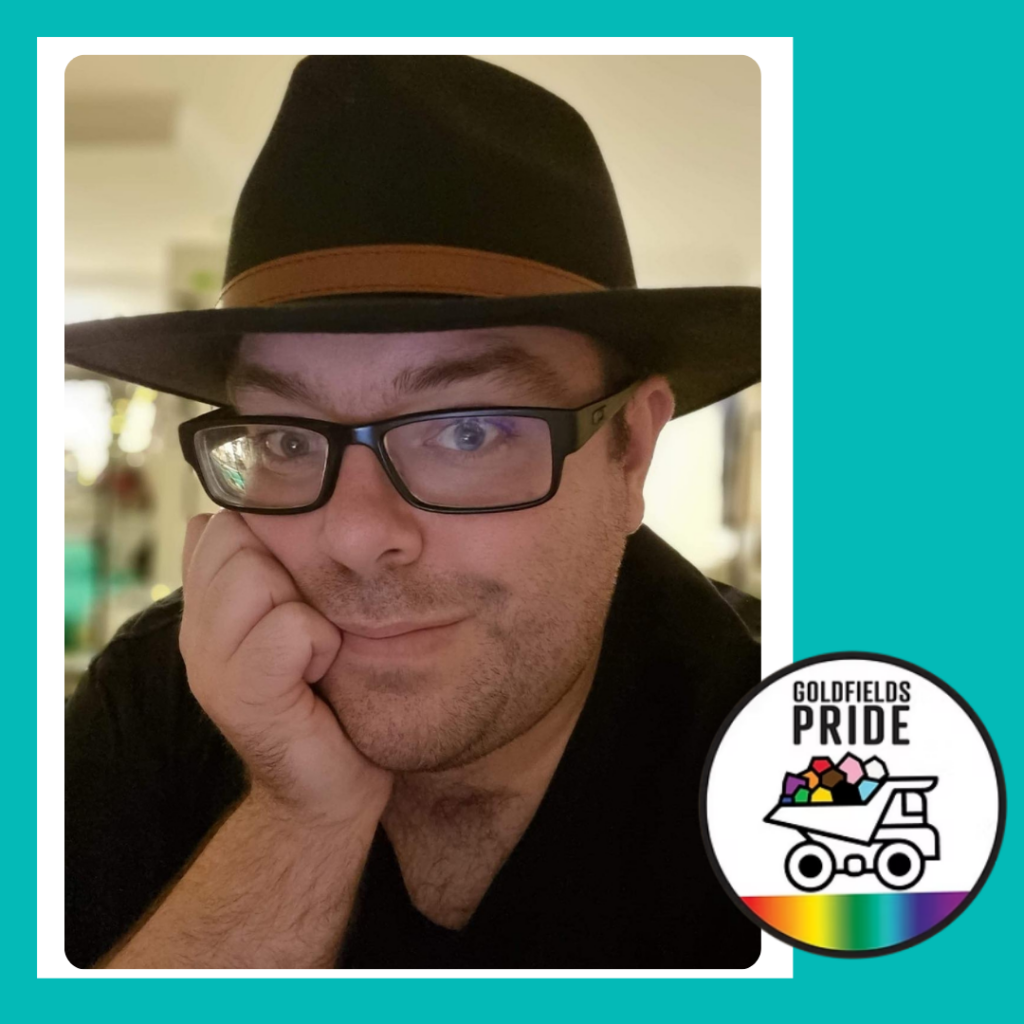
Keaton Howe
ACT LOCAL – INSPIRING STORIES
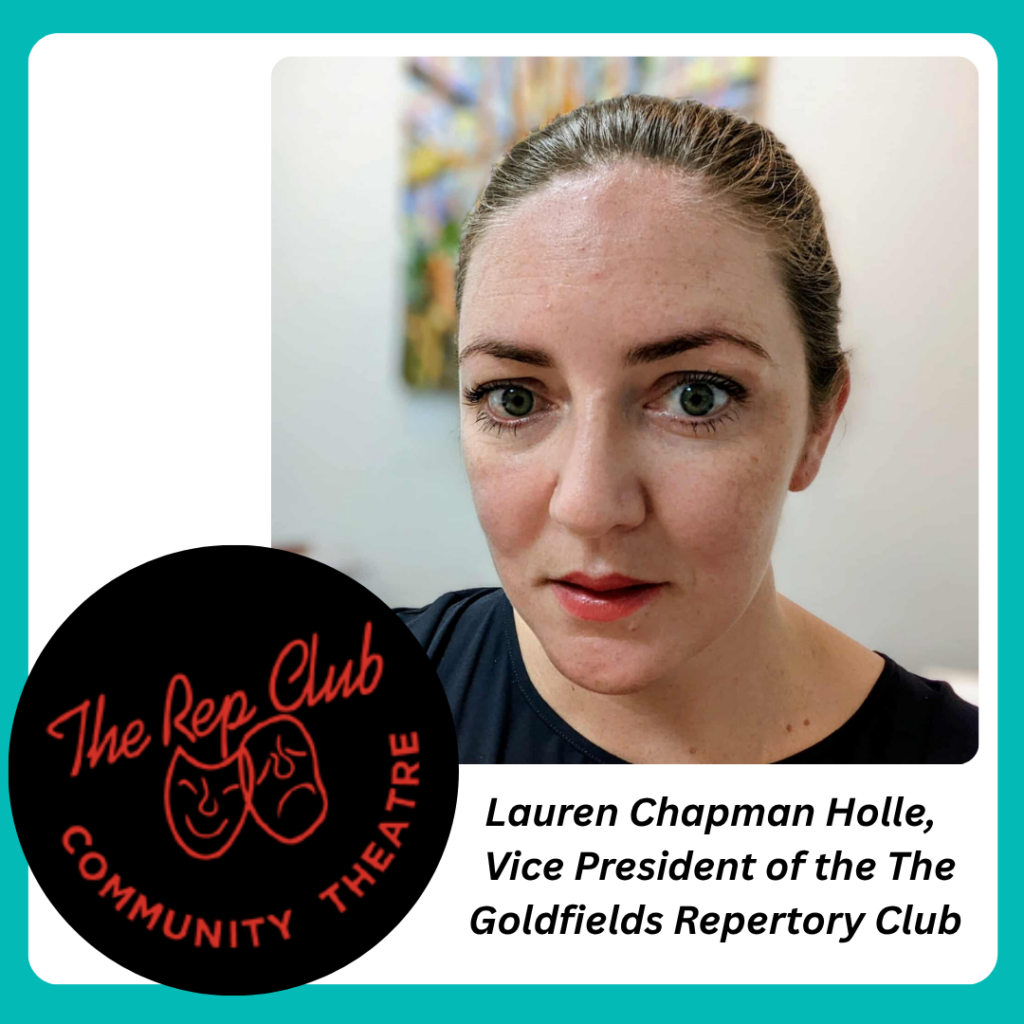
Lauren and the Goldfields Rep Club
“If someone has an interest in something the Club can offer, we will teach them and help support them to do their best.“
Lauren’s story with the Goldfields Rep Club began shortly after she relocated to Kalgoorlie-Boulder from Perth in 2005 and thought it might be a good way to meet new people.
The Goldfields Repertory Club Community Theatre, affectionately known as the Rep Club, was established in 1931 and is the longest continuously running community theatre group in WA. It produces four to five shows a year, as well as many social nights, hires out their venue to other community groups and travelling performers, provides a youth theatre program, and is used by many as a community hub.
The organisation is run entirely by volunteers.
Although there can be an assumption in the wider community that you need to be a performer on stage to be involved in local theatre, it’s simply not true, and there’s a huge variety of roles and non-performing tasks that contribute to the successful operation and sustainability of a working community theatre.
During the last two decades (so far) of Lauren’s involvement with the Club, she has held almost every role – at least once – and undertaken virtually every job possible in the production of countless performances and the day-to-day running of the community theatre, including set designing, painting, and building, creating and sewing costumes, sourcing and creating props, front of house coordination, bar manager, building maintenance, sound and lighting tech, back stage management and crew, social coordinator, President, Vice President, membership coordinator, PR, director, producer, grant writer… AND talented performer.
People who are interested in being involved have options, they can commit to the run of a show – usually 8 to 12 weeks, sometimes longer with planning and preparation if you are directing – or odd jobs and tasks that can fit into busy schedules whenever and aren’t contingent on show nights.
“The Club offers a lot of support and mentorship if people are interested in learning particular skills like lighting, tech, or set creation, and we actively provide opportunities for members to develop skills and try new things. We also create opportunities for audiences to see performances they might not get a chance to see. A mix of new theatre and popular shows… If acting is not your passion, there are many ways to be involved, including being an audience member. You can always come and support a show by watching it.”
Some of the many creative highlights for Lauren were the challenges of designing and creating the millinery requirements for the period production, The Importance of Being Earnest, and a specialised headpiece, a corn tiara, for the recent production of Guys and Dolls.
After 20 years involvement, Lauren’s enthusiasm for the Club, the vibrancy it brings to the community, and diversity of its members is still as strong as ever, and she was awarded a Club Life Membership for her contributions in 2020.
“Organisations like the Rep Club add to the really rich social fabric of Kalgoorlie-Boulder. Not every show might be everyone’s cup of tea or a person might not think of themselves as a theatre-goer, but at the end of the day, having those options as well as footy or lawn bowls or darts is a good thing. We get to channel creativity in a social way. We have fun. We don’t take ourselves too seriously. We take pride in what we do. And there’s a great sense of achievement in putting on a show well and getting feedback from audiences for shows – sometimes months or even years later – no matter what your role was in putting it together. Everyone in Kal has some connection to the Rep Club or a show. If you’re curious about being involved, come see a show, have a chat to cast members (*cast meet audiences in the foyer after shows) and find out where our interests might align.”
Lauren currently holds the position of Vice President at the Rep Club and is performing in the upcoming production of The Great Emu War, a comedic play based on a real Australian historic event.
ACT LOCAL – INSPIRING STORIES
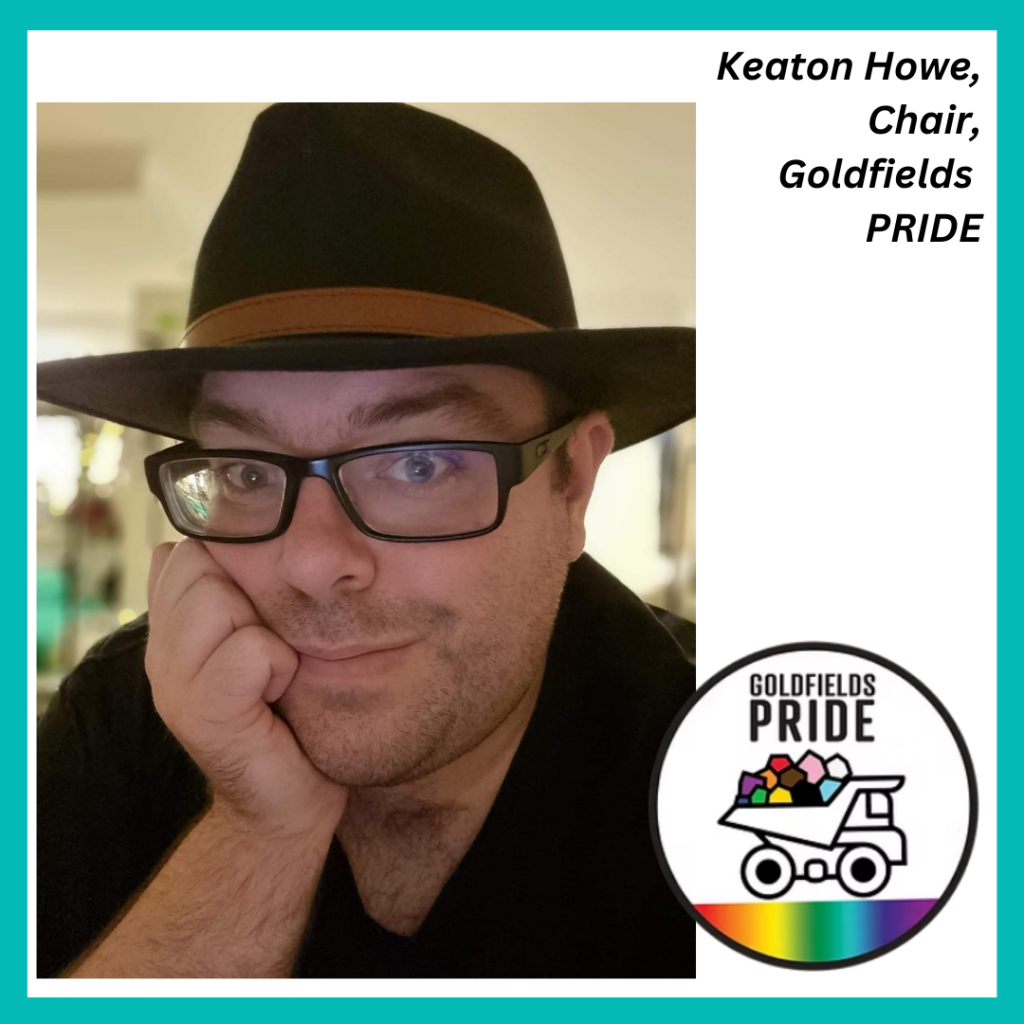
Keaton Howe
“I think getting involved in volunteering is one of the quickest ways to meet new people and get to know your community”
Keaton Howe has been volunteering in some capacity for most of his life. He has spent a lot of time involved in community theatre and disability work and three years ago he joined the Goldfields Pride committee shortly after arriving in Kalgoorlie and became its Chair just over a year ago.
When first moving to the Goldfields for work from Perth, Keaton was unsure how welcoming his new home would be or what to expect from the remote regional mining town, particularly how different things might be for a member of the queer community coming from a much larger urban location.
“I think getting involved in volunteering is one of the quickest ways to meet new people and get to know your community… I had a little trepidation moving to the Goldfields… I didn’t know if there was a Pride here. Would I be ‘the only gay in the village’? But there is actually a large community here, doing lots of things all over. I’d barely been in town a month when a friend ‘dragged’ me along to the AGM (Annual General Meeting) for Goldfields Pride. I thought it would be a good way to meet some new local people, so I joined the committee… three years later, and now I’m the Chair.”
Goldfields Pride is an LGBTQIA+ and allies volunteer, not-for-profit community group that formed around four years ago and relies solely on sponsorship, donations, and volunteers. Its purpose is to promote health and wellbeing of Goldfields residents who identify as queer and help strengthen a safe and open community where people are free to express themselves and feel supported to do so. It also provides a social catch-up where people can be themselves, connect with others, and relax. Pride volunteers are not only members of the queer community, but also allies, and the group very much would like people to know that everyone is welcome at Goldfields Pride.
“… volunteering is something that gives a sense of purpose. It also enables orgs like Pride to be able to run. Pride is solely volunteer-based. Without the vollies, we couldn’t do what we want to do, and that’s provide that support. Without volunteers Goldfields Pride wouldn’t exist here, and we wouldn’t have the things that Pride does.”
The group has around 10-15 regular members. There’s no formal membership database and no paperwork other than a simple online sign up form to share information, the group’s social media channels, and no fees.
Through its volunteers (both queer and allies) Pride provides LGBTQIA+ training and education to businesses and other organisations, visibility at local events in the community, organises a Pride Festival (scheduled for 2026), and a monthly catch up, formerly known as Queers and Beers, recently updated to Q and A (Queers and Allies) to reaffirm their inclusivity and invitation to the broader community to feel welcome to be involved too. Pride also works hand in hand with several other groups and service providers doing work in this space.
Like anywhere, there are some still some challenges and stigmas that exist in everyday life in the community, which makes the work Goldfields Pride and its volunteers do even more important, not only for what they do here in the Goldfields, but by being able to connect people across the state.
“It can be a little bit different regionally to Perth, but queer people are represented in regional towns more than some people might think. Pride is really important for that… to connect people and provide that visible representation. People can reach out to us. Contact us online. Let us know if you’d like to be involved. We sometimes get messages from people who are coming to town for the weekend and want to know if there’s anything they can tag along to socially. We’re connected with groups across the state, including with Esperance Pride and Albany Pride… even have friends in Carnarvon.
For Keaton, volunteering is not only a good way to get involved, meet new people, and make friends in a new community, but to advocate together for equality and inclusiveness for all, and be part of a welcoming and supportive social group as well. Volunteering, whatever form it takes, creates a sense of purpose and can foster a rewarding sense of community and pride.
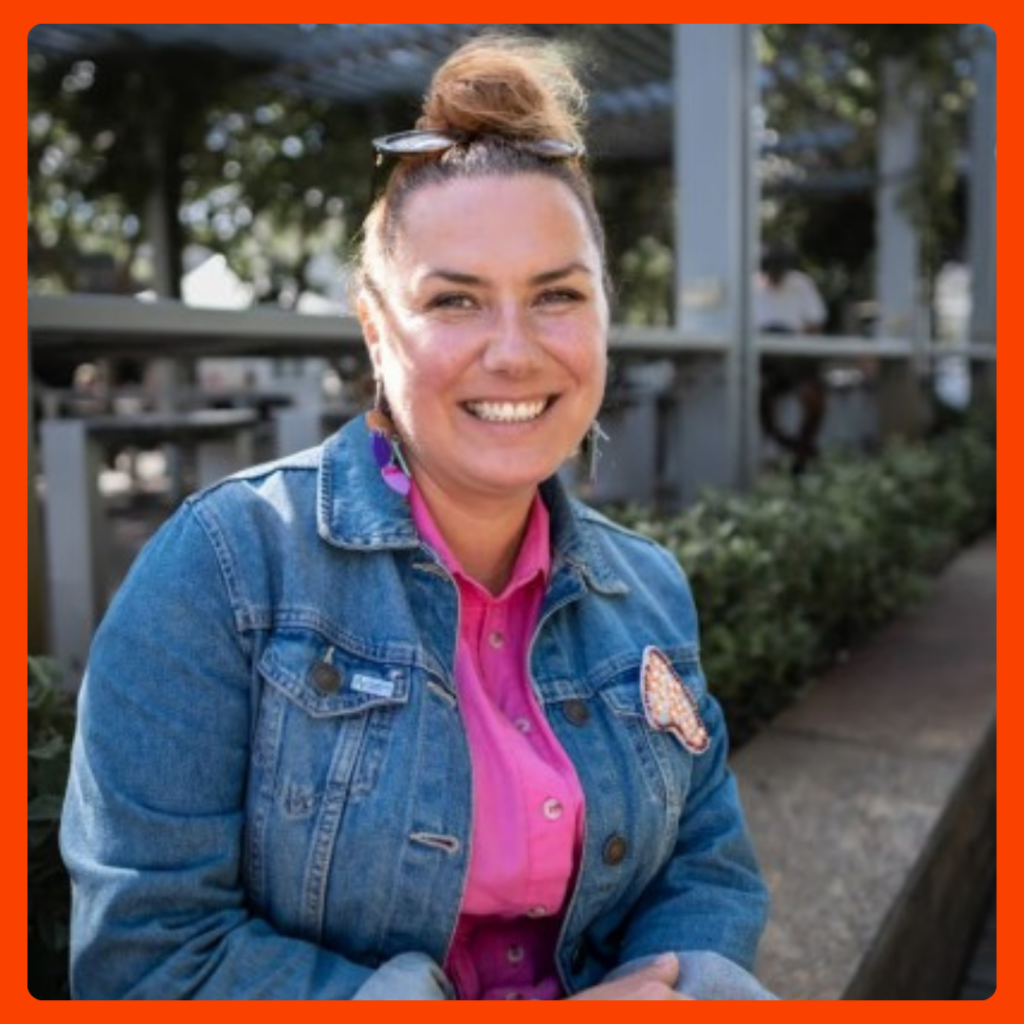
Patrycja Rosinska
ACT LOCAL – INSPIRING STORIES
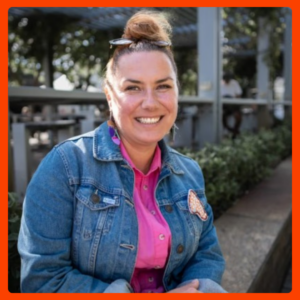
Patrycja Rosinska
Creator of Portside Town Team
“I consider myself a change enabler in community development, focusing on what can be done to make things better. It’s about understanding why people complain or feel like nothing is happening, and realising that we can change it by being change makers.”
We know you’re a specialist in community and place development. Can you elaborate on where your enthusiasm for community development originated?
We all desire to live in happy and engaged communities where we feel connected and welcomed. Sometimes this isn’t naturally occurring, or it requires initiatives with a bit of a spark to improve things. That’s where I come in. I consider myself a change enabler in community development, focusing on what can be done to make things better. It’s about understanding why people complain or feel like nothing is happening, and realising that we can change it by being these change makers. My motivation also stems from a personal desire to live in a better place.
Do you have any anecdotes or stories about what sparked your decision to become a change maker?
There are many moments, but one significant one was in Europe when I was a young student working multiple jobs. We felt there wasn’t enough happening in our streets, and our multicultural community wasn’t adequately represented. So, we organised a large multicultural street party. At 20 years old, I was closing a main street in Warsaw and bringing together migrants to represent their cultures. We had multicultural parades and villages, building understanding and bridges between cultures while celebrating our amazing city.
You seem to see many opportunities in spaces and places. How do you define a place, and what makes a place engaging and active in your opinion?
It’s interesting to observe how people interact with public spaces like cafes. A good place is where people genuinely connect, engage, and spend time. In our town centres and local streets, if local businesses thrive and people spend time there—having coffee, working, bringing their children and dogs—that’s a sign something was done right. If people just come to buy something and leave, something is missing. Sometimes high traffic and speeds can make a place less inviting and safe. Every space has potential to become great, but it needs to be developed with local people and tailored to their needs.
What steps or approaches do you take when you see a place with potential that needs activation?
It depends on whether I know the people who own the place or see some opportunities available. I always have ideas to enliven a place. For instance, starting with a simple initiative like writing on the pavement with chalk “Have a beautiful day.” If a place is uninviting, small efforts can inspire others to continue the trend. It’s also about knowing the stakeholders and starting conversations to identify opportunities for improvement. The aim is not to do it for them but to assist and make them aware of the support available from local government and organisations like Town Team Movement. There are always opportunities to do something, and building relationships, understanding the place, and understanding the people are crucial.
How do you differentiate between the placemaking approach and more conventional approaches to community activation?
Placemaking can sound like a big word, but it’s simply about making great places for people with people. It involves taking people on a journey to create public open spaces, with collaboration as the key. Improving internal collaboration within local government, state government agencies, and external collaboration with the community’s input is essential, allowing for culture, experience, and ideas to flourish in the projects.
Can you mention examples of when you’ve successfully supported local communities?
For example, the Town Team I started in Port Hedland addressed the need to bridge the gap between businesses, organisations, and local government. We realised it was in our common interest to improve our place for our businesses, families, and communities. Addressing community complaints and involving them in the process is crucial. Our organisation aims to inspire, empower, and support the community’s capabilities, showing them that things can be done at no cost or low cost. We organised Mother’s Day markets to showcase regional creatives and connect them with customers, promoting local shopping. We also organised Christmas Twilight Festivals, one of the largest in the Pilbara, ensuring regional communities don’t feel disadvantaged due to their location.
Support comes through placemaking education courses and working directly with communities and local governments. It’s also important to support local doers who drive projects but may need inspiration and support.
The Town Team Movement model is brilliant because it’s open and inclusive. You don’t have to be incorporated; it can be a group of residents or local businesses wanting to improve their local place. This flexibility allows for more community involvement and action.
You’ve spent considerable time in regional WA, specifically around the Pilbara. What are your observations on the socio-economic benefits of having an engaged community?
The Pilbara is a transient place, with people coming for job contracts and often staying permanently. The sense of community is strong, and there’s a need for more permanent residents to strengthen it. Providing accommodating public spaces where people can gather after work or school is crucial. This helps people feel at home and encourages them to stay longer, benefiting local economies and community well-being.
For instance, I started the 49th town team in Port Hedland. We organised Mother’s Day markets to showcase regional creatives and connect them with customers, promoting local shopping. We also organised Christmas Twilight Festivals, one of the largest in the Pilbara, ensuring regional communities don’t feel disadvantaged due to their location.
What are some of the most prominent challenges people involved in community activation face?
Trust is a major challenge, especially building relationships with various agencies like local government. Bureaucracy can be a significant hurdle. Establishing good relationships can alleviate some of the bureaucratic challenges. Our “Book of Doing” is a collection of actions undertaken by various town teams, demonstrating that community-led initiatives can have positive outcomes. This helps build confidence in local projects.
Where do you see the Town Team Movement in a few years?
The opportunities are endless. One of our co-founders mentioned that they hope one day we won’t be needed because places will be so great and connected. However, as an organisation, we are evolving organically, and it’s encouraging to see our online resources being downloaded worldwide, including in South America and Canada.
Can you share something that has made you particularly proud during your journey with Town Team Movement?
There are many proud moments, from making a difference to inspiring others and improving places. For example, seeing the Town Team I helped establish in Port Hedland still thriving and the projects we initiated still making an impact is incredibly rewarding. What makes me happy is seeing so many others doing amazing things out of love for their communities and a desire to make a difference. It’s fulfilling to wake up each day knowing you’re doing something right. Working with Town Team Movement feels more like a passion than a job, and I find daily inspiration in it.
Photography and original interview by Ophélie Barbeau, edited by Perth is OK!
ACT LOCAL – INSPIRING STORIES
Karli Beresford from Activate South Hedland
Embrace the idea that every effort, no matter how modest, contributes to community activation
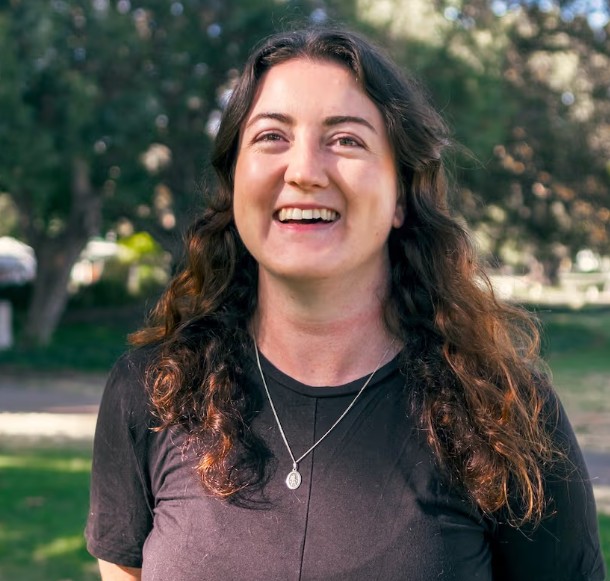
I’ve been involved with the Town Team for nearly two years now. It all began with an initiative from the local government as part of the South Hedland Place plan. They kicked things off with a block party, attracting initial members for the team. I joined a couple of meetings later, eager to contribute to our community’s development.
We prioritise organising small, cost-effective activities since our team members lead busy lives. Last year, we managed about nine activations over eight months, considering the warmer climate of Port Hedland makes summer events challenging. Our activities, such as yoga and painting sessions for plant pots or pen cups, aim to bring people together without the scale of larger events commonly seen in other Town Teams. While we aspire to grow towards larger events eventually, we believe these smaller gatherings still create meaningful connections.
Our team also frequently hosts yoga sessions as it offers several advantages. It’s easy to schedule, provides a consistent activity that fosters overall support, promotes health, and can be conducted in public spaces like parks. Additionally, many of our team members practice yoga, making it a natural choice for our community gatherings.
Belonging and community
Our Town Team fosters a sense of belonging and community. South Hedland experiences a high turnover of residents, with many newcomers seeking connections. Our events provide a platform for people to engage, make new acquaintances, and build lasting bonds. We also conduct surveys to gauge community pride, highlighting positive aspects of South Hedland. Our last survey was completed by approximately 150 people, conducted at a Community Garden plant sale, which attracted significant foot traffic.
Recruitment remains a priority, especially given the transient nature of our community. Increasing our visibility will attract more participants. We aim to overcome any existing preconceptions about Town Teams through proactive engagement.
I believe South Hedland could benefit from increased vibrancy to encourage residents to spend leisure time locally. This year, we’re exploring initiatives like buskers and beautification projects to address these needs.
My background
I’m passionate about contributing to my community and relish the opportunity to engage with like-minded individuals. Being part of the Town Team allows me to blend my interests in urban design and community involvement, creating a fulfilling experience.
My background and activities outside of the Town Team include volunteering with the SES and I enjoy activities like camping. Currently, I’m exploring printmaking, particularly lino printing, and I hope to delve into pottery soon. I also work as a strategic planner with an architecture background. I perceive my role in contributing to the Town Team as an idea generator, constantly proposing initiatives to enhance South Hedland’s vibrancy. I also take charge of organising events and handling administrative tasks behind the scenes.
My background as a strategic planner has certainly influenced my approach within the Town Team While my professional work involves formal planning with local government, my involvement with the Town Team allows for more creative, community-focused endeavours, offering a fulfilling balance.
The future
I anticipate steady growth for the Activate South Hedland Town Team, with a continued focus on smaller activities complemented by occasional larger events. Building brand recognition and community engagement will be key objectives, fostering active participation in our initiatives.
My guiding motto or principle would be “Movement creates movement” .
This principle underscores the importance of taking small steps to initiate change, leading to momentum and progress. It’s about embracing the journey, one action at a time.
Advice
My advice for any community that is struggling to initiate similar efforts Even small-scale events can make a difference. Embrace the idea that every effort, no matter how modest, contributes to community activation. By focusing on smaller activities that require minimal resources, you can celebrate achievements regardless of turnout.
Karli Beresford
Julie McGregor
ACT LOCAL – INSPIRING STORIES
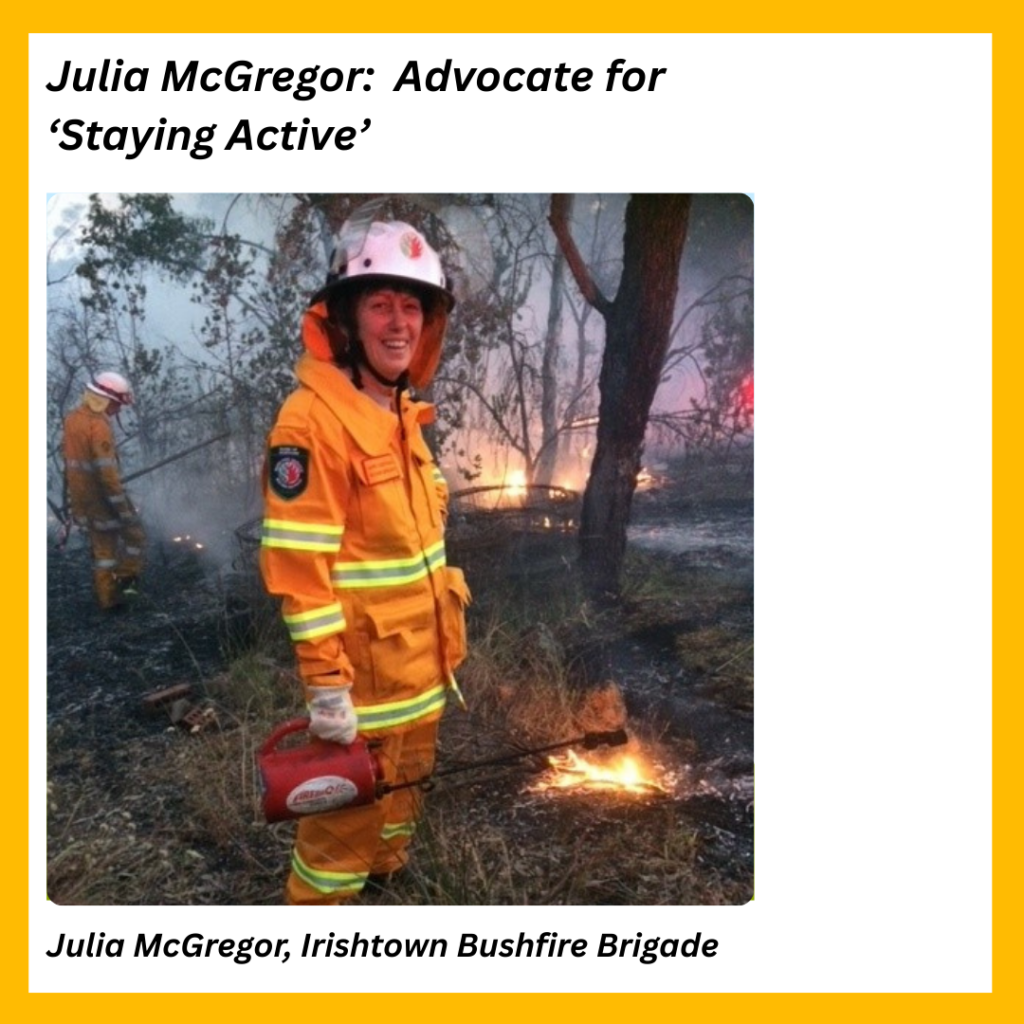
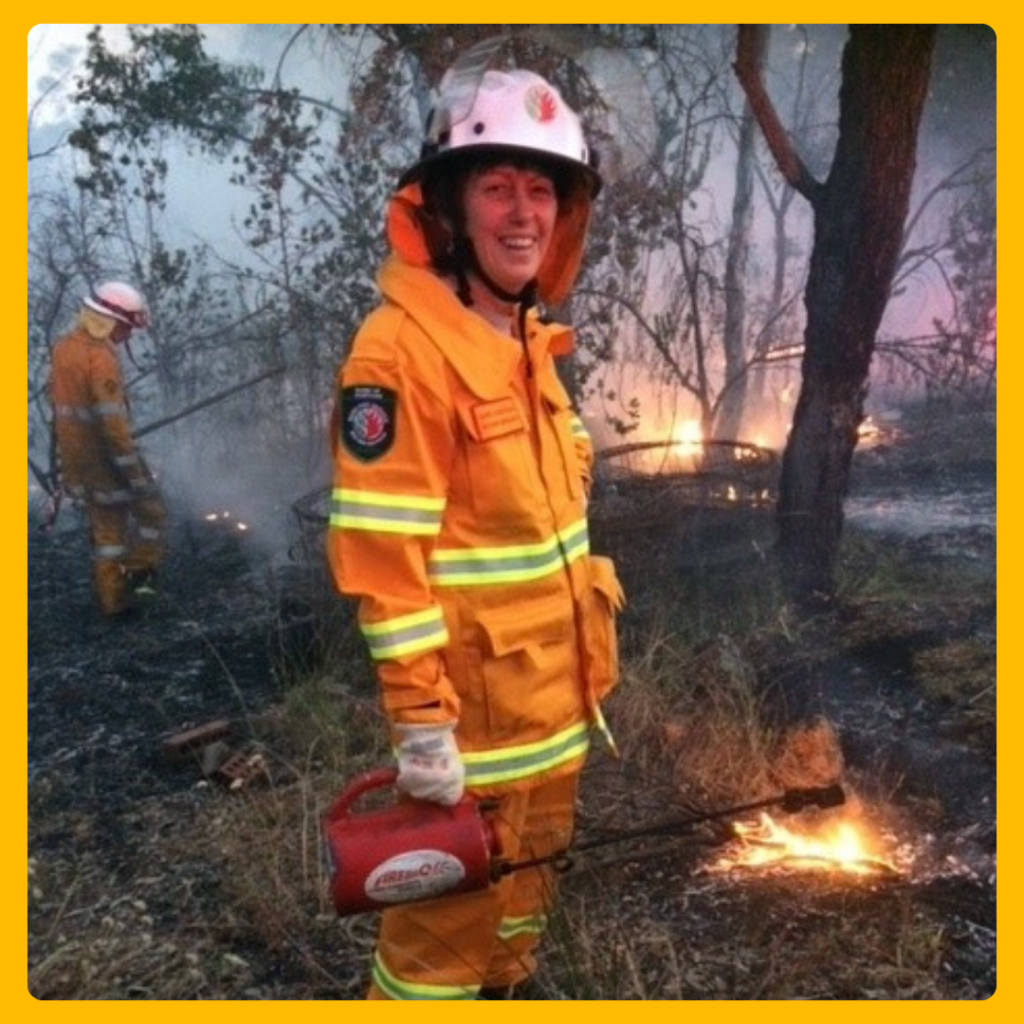
Julia McGregor
of the Irishtown Bushfire Brigade
“I wanted a new challenge and to contribute to my local community.
We undoubtedly owe a great deal to our local emergency services volunteers who are our local everyday heroes. We recently got in touch with our local Bushfire Brigades to chat to them about their members, and we will be sharing a series of profiles with you in the coming weeks to introduce them to our community. Each Brigade that participated provided a profile of their current Captain and of one female brigade member.
Today we would like to introduce Julia McGregor of the Irishtown Bushfire Brigade. Julia is retired, and in addition to her membership in the Irishtown Brigade volunteers as a leader for ‘Stay Active’ (an exercise group for older people). She also loves quilting and being with her grandchildren, and has been volunteering with the brigade for 5 years now.
When asked why she chooses to dedicate her time to volunteering, she answered “I wanted a new challenge and to contribute to my local community. The Brigade has many roles that people can take and can accommodate people with different skills and desires. I’m not a first responder but turnout for mopping up after fires.”
We’re sure you’ll agree that volunteers like Julia are essential to the safety of our Shire and others like ours. If you are interested in becoming one of our local heroes or learning more about volunteering with the Shire of Northam’s Bushfire Brigades, visit
https://www.northam.wa.gov.au/services/fire-emergency-management/emergency-service-volunteers.aspx
Alyce Smith

ACT LOCAL – INSPIRING STORIES
Alyce Smith
Active Citizenship in the Heart of Mukinbudin
n the heart of the North Eastern Wheatbelt of Western Australia, Mukinbudin—a small yet tight-knit rural town—boasts a spirited and resilient community, and one of its driving forces is Alyce Smith. As a Town Team Builder and a passionate community member, Alyce has made it her mission to inspire others to step up and contribute to the fabric of life in Mukinbudin, a place where active citizenship is not just encouraged, it’s essential for survival.
A Journey Rooted in Community
Alyce’s volunteer journey began early, growing up in the small town of Mukinbudin. Like many in rural Australia, she learned that in a community of few, everyone needs to pitch in. “As a kid, you learn that you need to help out to make things happen,” she says. It’s this simple yet profound ethos that has guided her path into adulthood.
When Alyce returned to Mukinbudin a few years ago, the reality of community life set in. She understood that if she didn’t get involved, things wouldn’t happen. In a place where people are few and resources scarcer, putting up your hand is often the only way forward. From taking on multiple roles in local sporting clubs—president, secretary, treasurer—to being the go-to volunteer for umpiring basketball games or scoring netball matches, Alyce quickly became a pillar of her community.
“It’s important to me to get out there and put my hands up,” she says. “Otherwise, things just don’t happen. We need everyone to get involved, especially in small towns. Without things like sporting clubs, town teams, or community groups, our towns will eventually fade away.”
For Alyce, volunteering isn’t just about keeping things running; it’s about fighting isolation and fostering mental health in a rural area where such issues can often be exacerbated.
Motivating Others to Step Up
While Alyce’s own commitment to community is unwavering, motivating others to get involved can be more challenging. The impact of COVID-19 left many feeling disconnected, and getting people back into the swing of things in 2024 has been a slow process. Yet, Alyce remains optimistic.
Her approach to motivating others involves sharing personal experiences and highlighting the long-term benefits of engagement. “It’s about realizing that if we get out there and do it, we’re not just helping today—we’re shaping a community for future generations,” she says. In regional communities like Mukinbudin, where many people stay across multiple generations, this sense of responsibility is especially powerful. The vision for a thriving, sustainable community isn’t just for today’s residents—it’s for those who will come after them.
Alyce’s passion for building a strong future for Mukinbudin has inspired others, particularly in smaller communities, to reconsider what they can do for the place they call home. Her message is clear: stepping up today ensures that the community stays alive for future generations.
A Strong Partnership with Local Government
One of the key components of Alyce’s active citizenship journey is her relationship with the local government. Mukinbudin’s Shire has a proactive approach to leadership. This plays an important role in supporting community initiatives, and Alyce has witnessed first-hand how a strong partnership between local residents and their government can create an open environment to create lasting change.
“We’re very lucky here,” Alyce says of the relationship with Mukinbudin’s Shire. “Our CEO and community development staff are very involved, and community development is a high priority.” The Shire’s willingness to support local events and initiatives, whether by providing a marquee for a sporting event or staffing a community gathering, speaks to the level of collaboration that exists between local government and the community. “There’s a really good relationship,” Alyce adds. “They take on a lot of feedback from the local community, which not all regions are fortunate to have.”
Building Relationships Beyond Small Communities
Alyce’s advice for those in larger communities is simple but powerful: “It’s all about building relationships. Relationships with your local government and with the people in your community. That’s where Town Team Builders are effective—they help community members liaise with local governments and navigate the resources available to them.”
The role of Town Team Builders, like Alyce, is to connect people, ideas, and initiatives with local governments, ensuring that everyone works together towards common goals. “Local governments are eager to showcase the strengths of their communities,” she notes, “and community members want the same thing. It’s a win-win.”
By focusing on mutual respect and shared goals, Alyce believes that communities—whether rural or urban—can unite to create better places for everyone.
A Vision for the Future
As a Town Team Builder for Town Team Movement , Alyce Smith is not just a local community volunteer; her work entails being a champion for the future of her community. Through her tireless efforts to foster connection, inspire others to get involved, and build strong relationships between community members and local government, Alyce is making a lasting impact in Mukinbudin.
Her journey is a reminder that active citizenship is not just about doing your part—it’s about building a community that prospers no matter its size or location. As she says, “If we don’t get involved, nothing will happen. And if we don’t take care of our community, it won’t be here for future generations.”
In small towns across the country, Alyce’s story is an example of the power of active citizenship—a reminder that even the smallest actions can make a big difference.